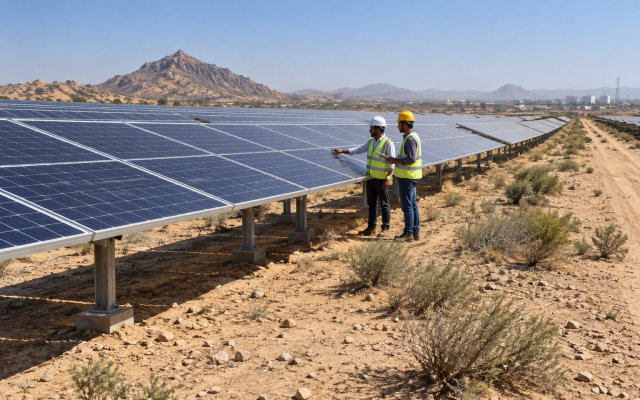
Maharashtra has installed 7.47 lakh solar-powered agricultural pumps, the most of any Indian state, and is working toward a target of 10.45 lakh. The pitch is compelling: free daytime power, no diesel bills, and irrigation on demand.
The subsidy arithmetic
Two schemes do most of the work. Under PM-KUSUM, central and state support covers 60–90% of the cost. The state’s Magel Tyala Saur Krushi Pump Yojana, or MTSKPY, pushes support to as much as 95% for small and marginal farmers. After subsidy, a 3–7.5 HP system costs roughly ₹41,000 to ₹86,000, according to The Better India.


For a farmer who has been paying for diesel or waiting for an unreliable grid connection, that is a structural change, not a marginal one.
What farmers actually save
The savings come from replacing diesel and grid dependence. Farmers report saving ₹40,000–70,000 a year, and the pumps let them irrigate in daylight instead of at night.
“Previously, irrigation relied on electricity availability or diesel fuel,” Yogeshwari Chaudhari told The Better India — a sentence that captures why the scheme has spread so quickly.
The water question
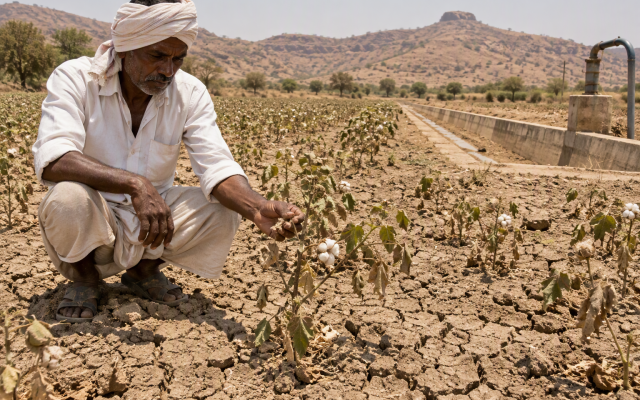
Solar pumps remove the fuel cost of pumping. They do not remove the water constraint. In hard-rock aquifers, studies cited by The Better India suggest water use can rise when pumping becomes effectively free, especially without feed-in tariffs that would pay farmers for surplus solar power.
A pump that can run all day may empty a well that a diesel pump would have spared. The subsidy makes the pump cheap; it does not make the aquifer refill.
The delivery problem
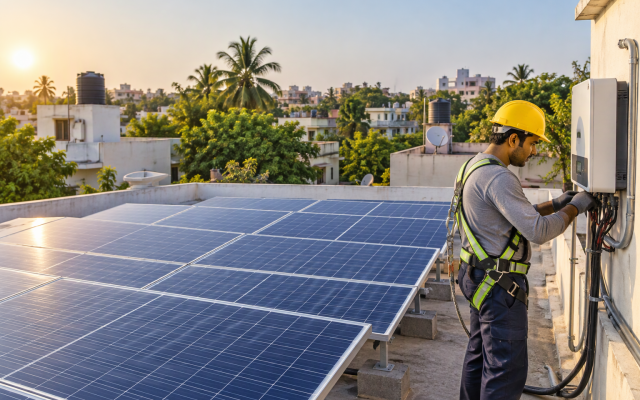
Subsidised equipment attracts queues. Farmers report waits of 60–90 days between application and installation, and quality varies by vendor. Maintenance is the long tail: a pump that fails in year three, out of warranty or without a local technician, becomes a stranded asset.
What better looks like
- Metering or smart controllers that make pumping visible.
- Crop choices and recharge structures matched to the local aquifer.
- Feed-in or net-metering options so surplus solar becomes income rather than extra pumping.
- Service terms written into vendor contracts, with response times.
The bottom line
Maharashtra has proved that solar irrigation can scale. The next three lakh pumps will be judged less on how many are installed than on whether the wells behind them still have water.